When you start looking into renewable energy, you quickly realize that the conversation usually centers on panels on roofs and giant turbines on hillsides. Yet, generating clean power is only half the equation. The true magic happens when generation meets consumption, creating a system that wastes as little energy as possible.
Understanding the efficiency of green energy helps you make smarter choices for your property and your wallet. We are going to look past the marketing hype and examine how solar panels, wind systems, and overall home performance actually work together in the real world.
How Solar Power Efficiency Works in Practice
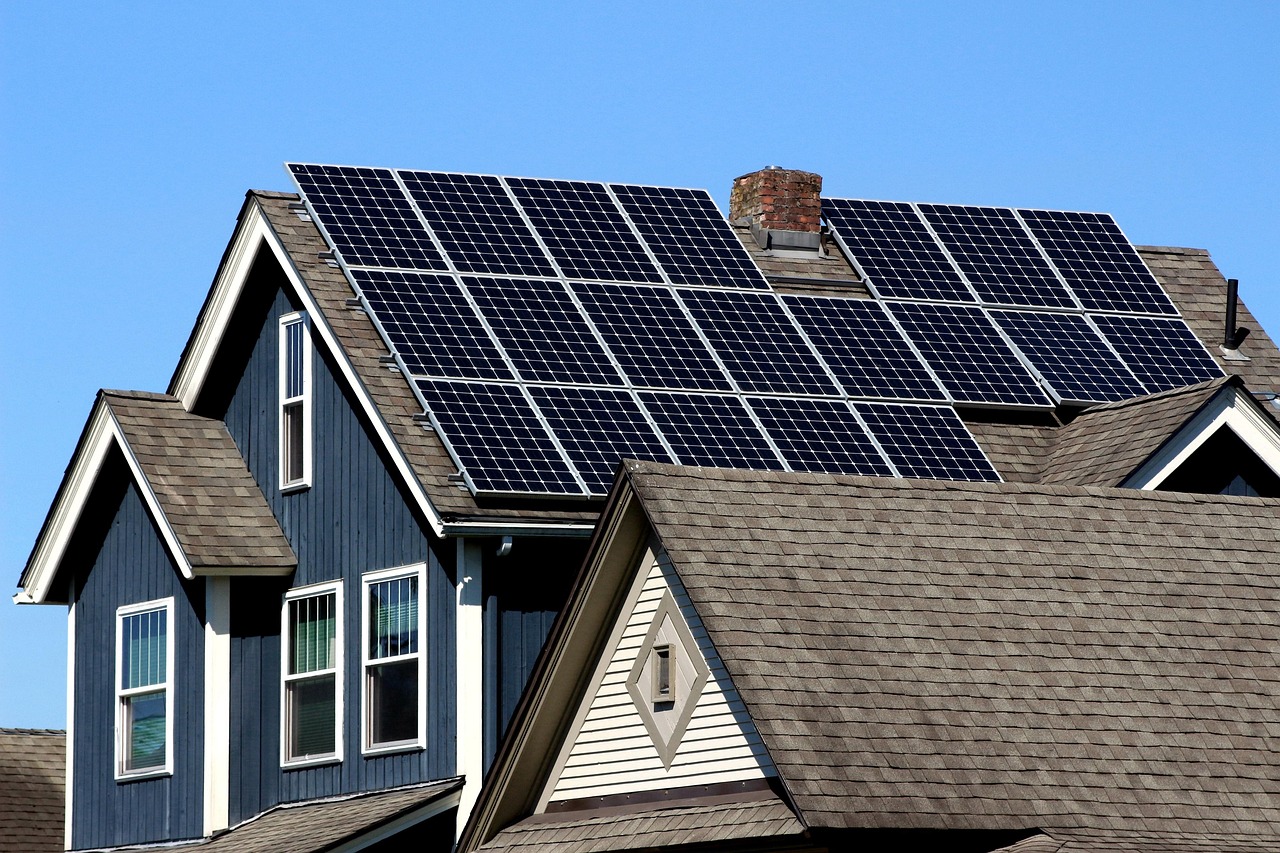
Solar panels have come a long way over the last decade. Most standard residential panels now convert between twenty and twenty-two percent of the sunlight hitting them into usable electricity. While that might sound low compared to burning fossil fuels, remember that the fuel source is completely free and inexhaustible.
Several factors dictate how well your specific setup will perform:
- Roof orientation and tilt determine how directly the sun hits your panels throughout the day and across seasons. Ideally, a south-facing roof tilted at an angle roughly equal to your latitude yields the best annual production.
- Local weather patterns and shading from nearby trees or buildings can heavily impact daily power yields. Even partial shade on a single panel can disproportionately drop the output of an entire string inverter system.
- Inverter technology plays a massive role in converting direct current into the alternating current your appliances need without major losses. Microinverters, for instance, optimize each panel individually to mitigate the impact of shading.
Keeping panels clean and free of heavy dust, pollen, or debris ensures they operate close to their rated capacity. A simple rinse with a garden hose a few times a year is usually enough to maintain peak performance, especially in dry climates where rain does not wash away grime naturally.
The Role of Wind Energy on a Local Scale
Wind power is traditionally associated with massive utility-scale farms, but smaller turbines are becoming more common for rural properties and specific commercial applications. These systems capture kinetic energy from moving air and turn it into electrical current via an internal generator.
Wind turbine efficiency relies heavily on local geography and height. Air flow closer to the ground is often turbulent and slow due to obstacles like houses, fences, and trees. Placing a turbine on a tall tower allows it to reach smoother, faster winds that generate power much more reliably.
Assessing a site before installation prevents disappointment. You need consistent wind speeds rather than occasional gusts to make a small turbine economically viable. A professional wind resource assessment usually requires monitoring site conditions with an anemometer for several months prior to purchasing hardware.
Why Home Performance Matters Just as Much
Generating clean electricity is pointless if your living space leaks heat and wastes power through outdated appliances. Improving the efficiency of green energy often starts inside your walls rather than outside on your roof.
A tight thermal envelope keeps conditioned air inside where it belongs. When your heating and cooling systems do not have to work overtime, your overall energy demand drops significantly. This reduction makes it much easier and cheaper to offset your remaining power needs with solar or wind.
Consider these key areas for improvement:
- Upgrading attic insulation stops heat from escaping during freezing winter months and entering during scorching summers, directly lowering your climate control workload.
- Sealing gaps around windows, plumbing penetrations, and exterior doors prevents costly drafts that force your HVAC system to run constantly throughout the day.
- Switching to LED lighting and modern heat pump water heaters slashes your baseline electricity consumption, leaving more renewable headroom for luxury electronics or electric vehicle charging.
Storing and Managing Your Power
Sunlight and wind do not follow your daily routine. The sun sets when you turn on your lights to cook dinner, and the wind might die down right when you need to charge an electric vehicle.
Battery storage bridges this gap by capturing surplus energy during peak production hours. Modern lithium-ion home batteries boast high round-trip efficiency ratings, meaning very little power is lost during the storage and retrieval process. Integrating a battery also provides emergency backup power during sudden grid outages.
Smart home energy monitors give you real-time data on where your power goes. Spotting energy hogs allows you to adjust your habits and run heavy appliances like your dishwasher or washing machine when your solar array is producing at its maximum rate.
Common Pitfalls to Avoid
Many homeowners jump into renewable energy without a clear plan, leading to wasted money and underwhelming results. Avoid these common mistakes when upgrading your property:
- Buying oversized solar systems without first reducing your home energy consumption through efficiency upgrades like air sealing and smart thermostats.
- Ignoring the age and condition of your roof before mounting heavy solar panels that should last for decades, potentially forcing a costly removal and reinstallation later.
- Falling for unrealistic efficiency claims from contractors who promise zero energy bills regardless of your local climate or historical usage patterns.
Take your time to gather multiple quotes, verify contractor licensing, and demand detailed production estimates based on your local climate data.
Frequently Asked Questions
What is the typical lifespan of solar panels?
Most modern solar panels come with a performance warranty of twenty-five years. They do not suddenly stop working after that time, but their energy output slowly degrades by a fraction of a percent each year, typically retaining over eighty percent efficiency by year twenty-five.
Do I need a battery storage system to go solar?
You do not strictly need a battery if your local utility allows net metering. Net metering lets you send excess solar power to the utility grid in exchange for valuable credits on your monthly utility bill.
How does cold weather affect solar panel efficiency?
Cold temperatures actually improve electrical conductivity, meaning solar panels can produce power very efficiently on crisp, sunny winter days. Snow cover will temporarily block generation, but panels usually shed snow quickly due to their dark color and mounting tilt.
Making the Right Choice for Your Property
Chasing absolute perfection in renewable tech can quickly become overwhelming. Instead, focus on a balanced approach that pairs smart energy generation with practical efficiency measures inside your home. Start with a professional energy audit to identify the easiest wins. By tightening up your thermal envelope and matching solar or wind capacity to your actual lifestyle, you build a resilient system that saves money year after year.