Your home’s climate control setup does much more than just keep you comfortable when the weather turns extreme. Understanding how these complex networks operate helps you lower utility bills, reduce your carbon footprint, and avoid costly emergency repairs. Whether your current unit is sputtering during a heatwave, making strange noises in the middle of the night, or you are simply planning a complete energy-efficient home renovation, knowing the fundamentals puts you firmly in the driver’s seat of your household management.
In this comprehensive guide, we break down how home hvac systems function from the ground up, what routine maintenance tasks you can safely handle yourself, and when it is definitively time to call in a licensed professional. Let us dive deep into the mechanics of year-round indoor comfort, exploring the exact steps you can take today to optimize your equipment’s performance and safeguard your family’s health.
What is a Home HVAC System?
HVAC stands for heating, ventilation, and air conditioning. Rather than viewing these three vital components as entirely separate appliances scattered around your property, it helps to think of them as a unified, cohesive ecosystem designed specifically to regulate indoor air quality and temperature. The heating unit warms your living space during freezing winter nights, while the cooling unit extracts unwanted heat and heavy humidity during scorching summer months.
Ventilation is the often-overlooked silent partner in this trio. It ensures that stale indoor air—which can quickly accumulate pet dander, cooking odors, and chemical off-gassing from furniture—is constantly refreshed with filtered, oxygen-rich air from the outside. Without proper airflow and fresh air exchange, your tightly sealed modern home can trap harmful allergens, excess moisture, and invisible indoor pollutants. A well-designed, balanced network seamlessly manages temperature, humidity, and air quality all at once to keep your environment pristine.
Core Components and How They Work
Most traditional residential setups rely on a split system, meaning a significant portion of the heavy machinery sits outside your house while the rest lives discreetly indoors, usually in a basement, crawlspace, or dedicated utility closet. Understanding these moving parts makes troubleshooting much easier when something inevitably acts up.
- The furnace or heat pump generates or transfers thermal energy throughout your ductwork network during the colder months, utilizing natural gas, electricity, or heating oil.
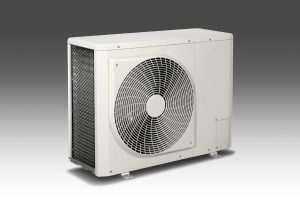
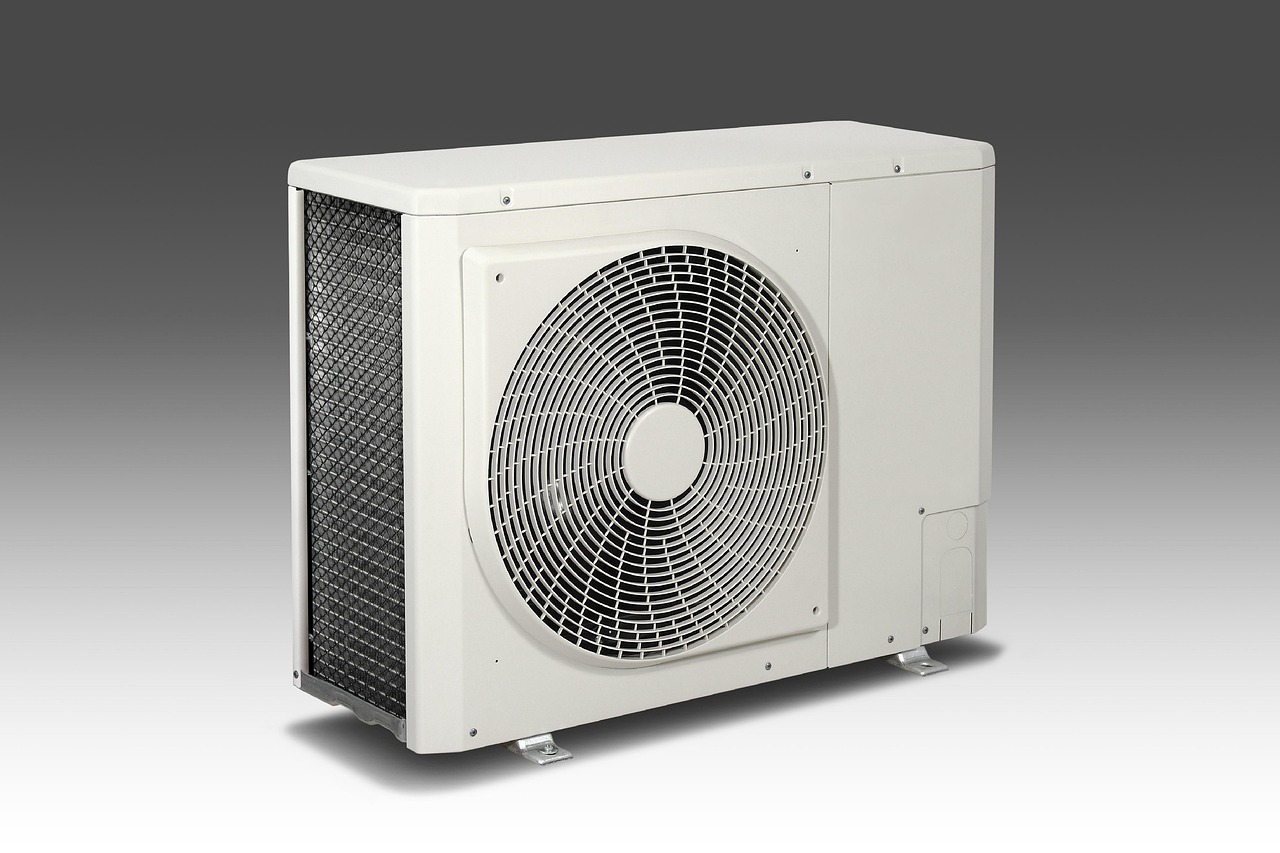
- The outdoor condenser unit houses the high-pressure compressor and a large fan, working tirelessly to release heat absorbed from your indoor rooms out into the open atmosphere.
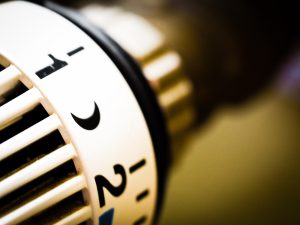
- The thermostat acts as the sophisticated brain of the operation, constantly reading ambient room temperatures and sending electronic signals to turn specific equipment components on or off.
- The duct system serves as the structural highway network, meticulously delivering conditioned, filtered air to every bedroom, hallway, and living area in your house.
- The evaporator coil, located indoors, absorbs heat from the air blowing across it when your air conditioner is running, fundamentally cooling the home.
When these intricate elements work in complete harmony, your home stays cozy and temperate without the equipment ever working overtime. If even one minor part fails, gets blocked, or loses calibration, the entire chain suffers, leading to spikes in energy use.
Signs Your System Needs Professional Attention
Ignoring minor warning signs is a direct recipe for a complete, catastrophic breakdown on the absolute hottest or coldest day of the year. Modern home hvac systems almost always give subtle, early hints weeks or months before they fail entirely. Paying close attention to these red flags saves you thousands of dollars in premature replacement costs and immense stress.
- Unusual grinding, squealing, screeching, or loud banging noises coming directly from the supply vents or the outdoor unit often point to worn-out mechanical bearings, a loose fan belt, or a failing motor.
- A sudden, unexplained spike in your monthly utility bills usually means the equipment is silently losing its operational efficiency and struggling desperately to reach your target thermostat temperature.
- Weak airflow coming from specific registers or noticeably uneven temperatures from room to room indicate blocked ducts, a dying blower motor, or a severely clogged air filter restricting movement.
- Foul, musty, or rotting odors suggest dangerous mold and mildew growth thriving inside the damp ductwork or a hazardous burning electrical issue that requires an immediate, emergency inspection.
- Frequent short-cycling, where the system constantly turns on and off every few minutes without fully cooling or heating the home, signifies an electrical fault or an improperly sized unit.
If you notice any of these persistent symptoms, immediately turn off the unit at the thermostat and schedule a comprehensive diagnostic visit with a certified, licensed HVAC technician.
Simple Maintenance Tasks for Homeowners
You certainly do not need an advanced engineering degree to keep your climate control equipment running smoothly between scheduled professional tune-ups. Dedicating just a little bit of time to routine upkeep can drastically improve the longevity and efficiency of home hvac systems.
- Replace your disposable pleated air filters every one to three months religiously to maintain strong airflow, prevent dust accumulation, and protect the delicate indoor evaporator coil from freezing over.
- Carefully clear away fallen autumn leaves, grass clippings, twigs, and overgrown shrubs at least two feet around your entire outdoor condenser unit to prevent restricted airflow and overheating.
- Test your digital or smart thermostat batteries annually and reprogram your automated temperature schedule to match your current work or travel routine for maximum, effortless energy savings.
- Keep all indoor supply and return vents entirely unobstructed by heavy furniture, area rugs, or thick floor-length curtains so conditioned air can circulate freely throughout the rooms.
- Pour a cup of white vinegar down your condensate drain line twice a year to prevent messy algae and sludge clogs that can cause water damage to your floors and walls.
Commit to these easy, proactive steps each season, and you will notice an immediate, direct improvement in both indoor air quality and overall monthly energy consumption.
Frequently Asked Questions
How often should I service my equipment?
You should schedule professional preventive maintenance twice a year. Have your heating system checked thoroughly in the fall, and have your cooling system inspected in the spring before peak demand seasons hit your region.
Can I fix HVAC problems myself?
Homeowners can safely handle routine filter replacements, clearing outdoor debris, flushing condensate lines, and basic thermostat programming. Always leave anything involving complex electrical wiring, pressurized refrigerant handling, or natural gas lines strictly to certified professionals.
What is the typical lifespan of these units?
Most modern furnaces last between fifteen and twenty years with diligent care, while central air conditioners generally run efficiently for ten to fifteen years before requiring replacement due to technological obsolescence and mechanical wear.
Final Thoughts on Indoor Climate Control
Investing time, attention, and routine care into your home hvac systems consistently pays off through significantly lower monthly energy bills, far fewer emergency repairs, and cleaner, safer air for your entire family to breathe. By staying proactive with basic seasonal maintenance, keeping up with filter changes, and listening closely to early warning signs, you can enjoy reliable, quiet comfort through every changing season of the year without unexpected financial surprises.