Summer temperatures are climbing, and many of us rely heavily on air conditioning to keep indoor spaces comfortable. Cranking the thermostat down offers instant relief, but it often drives up energy bills and puts a heavy strain on local power grids. Finding a better balance between personal comfort and environmental impact matters more than ever.
Implementing sustainable cooling solutions helps lower your carbon footprint while keeping your home genuinely comfortable. This guide explores how you can combine modern eco-friendly cooling equipment with smart passive design strategies to beat the heat naturally. By adopting a holistic mindset toward indoor climate control, you can create a sanctuary that remains pleasant even during the most severe summer heatwaves.
Understanding Sustainable Cooling Solutions
When most people think about cooling a home, they picture a traditional compressor-based air conditioner running at full blast. Sustainable cooling solutions take a much broader approach by looking at how heat enters and moves through a building in the first place. Instead of fighting the environment, these strategies work with it to reduce overall cooling loads. This means analyzing your local climate, seasonal wind patterns, and the specific orientation of your property to leverage natural elements.
A truly eco-friendly setup usually combines two main pillars: reducing heat gain through architectural design and using high-efficiency cooling technology when mechanical help is needed. This dual approach ensures you only use energy when necessary. It also creates a more stable, pleasant indoor climate without dramatic temperature swings. When you stop heat at the boundary of your home, your mechanical systems do not have to work nearly as hard, which dramatically extends their lifespan and reduces maintenance costs over the years.
Passive Design Strategies to Block Heat
Before buying any equipment, look closely at your home’s envelope. Passive design relies on architecture and layout to manage solar heat gain naturally. By stopping heat before it enters your living spaces, you can drastically reduce your reliance on mechanical cooling systems.
- Install exterior shading devices like awnings, pergolas, or mature deciduous trees to block direct sunlight from hitting your windows during peak afternoon hours. Deciduous trees are especially useful because they drop their leaves in the winter, allowing welcome sunlight to warm your home during colder months.
- Use reflective window films or heavy insulated blinds to bounce solar radiation back outside before it can warm up your rooms. Cellular shades, for instance, trap air in their honeycomb pockets, creating an effective thermal barrier against intense window glare.
- Improve your attic insulation and seal air leaks around doors and windows to keep hot outside air from seeping into your living quarters. Adding radiant barriers in the attic can reflect up to 97 percent of radiant heat coming off your roof shingles, keeping your upper floors significantly cooler.
- Plan for natural cross-ventilation by opening windows on opposite sides of the house during cooler evening hours to flush out trapped daytime heat. Positioning low-level windows on the windward side and high-level windows on the leeward side creates a stack effect that pulls warm air up and out of the building.
Choosing Eco-Friendly Air Conditioning
Even with great passive design, some days get hot enough that you will need mechanical cooling. Traditional units often use refrigerants with high global warming potential and consume excessive electricity. Upgrading to eco-friendly AC units makes a significant difference for both the planet and your monthly budget.
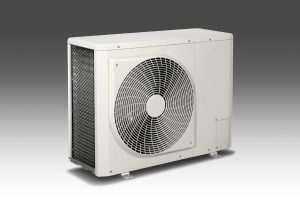
Modern inverter heat pumps and high-efficiency air conditioners adjust their cooling output dynamically rather than just turning on and off abruptly. This variable-speed operation saves a tremendous amount of energy and maintains a consistent temperature. Look for units that use modern refrigerants with low environmental impact, such as R-32 or R-454B, which have substantially lower global warming potential than older hydrofluorocarbons. Additionally, always check for high seasonal energy efficiency ratings and look for ENERGY STAR certifications to guarantee that the equipment meets strict federal efficiency guidelines. Properly sizing your unit is also critical; an oversized air conditioner will short-cycle, failing to remove humidity properly while wasting energy, whereas a correctly sized unit runs smoothly and dehumidifies effectively.
Smart Integration and Natural Ventilation
Combining your cooling equipment with smart home technology or simple daily habits maximizes efficiency. You do not need a massive budget to make your home run cooler and greener. Small behavioral adjustments throughout the day compound into noticeable energy savings.
- Use programmable smart thermostats to raise the temperature slightly when nobody is home, cooling things down just before you return. Geofencing features can even detect when your smartphone leaves the neighborhood and automatically adjust the climate settings to conserve electricity.
- Run ceiling fans to create a wind-chill effect that makes the room feel a few degrees cooler, allowing you to set your AC higher. Remember that fans cool people, not rooms, so turn them off when you leave the space to save electricity.
- Ventilate your home strategically in the early morning or late evening when the outdoor air temperature drops below your indoor comfort level. Using exhaust fans in the kitchen and bathroom can also quickly expel localized pockets of trapped heat and moisture.
- Cook outdoors or use small countertop appliances like air fryers and slow cookers during the hottest part of the day to avoid adding extra heat and humidity to your kitchen, which forces your main cooling system to work harder.
Frequently Asked Questions
What are the main benefits of sustainable cooling solutions?
They significantly reduce your monthly electricity bills, lower your household carbon emissions, and often improve indoor air quality through better ventilation and filtration. Furthermore, they protect your home’s structural integrity by managing humidity levels, which prevents mold growth and material degradation over time.
Are eco-friendly air conditioners more expensive to buy?
Initial purchase and installation costs for high-efficiency units can be higher than standard models, but energy savings usually offset this price difference over time. Many local utility companies and federal governments also offer lucrative tax credits, rebates, and financing incentives for upgrading to high-efficiency sustainable cooling systems, drastically shortening the payback period.
How does passive design help cool a house?
Passive design blocks solar heat from entering the building and uses natural airflow to remove existing heat, minimizing the need for mechanical cooling altogether. By utilizing thermal mass materials like concrete or brick that absorb heat slowly during the day and release it at night, passive design keeps indoor temperatures naturally regulated.
Your Next Steps Toward a Cooler Home
Transitioning toward better climate control does not require an immediate, expensive home overhaul. Start with simple low-cost adjustments like adding window shades, sealing drafts, and running ceiling fans more often. As you plan future home improvements, consider investing in high-efficiency cooling equipment, upgraded double- or triple-pane windows, and better attic insulation. Taking these thoughtful steps will keep your home comfortable while protecting the environment for years to come. By consciously evaluating how your home interacts with the sun and wind, you can enjoy a more sustainable, comfortable, and resilient living space no matter how high outdoor temperatures climb.